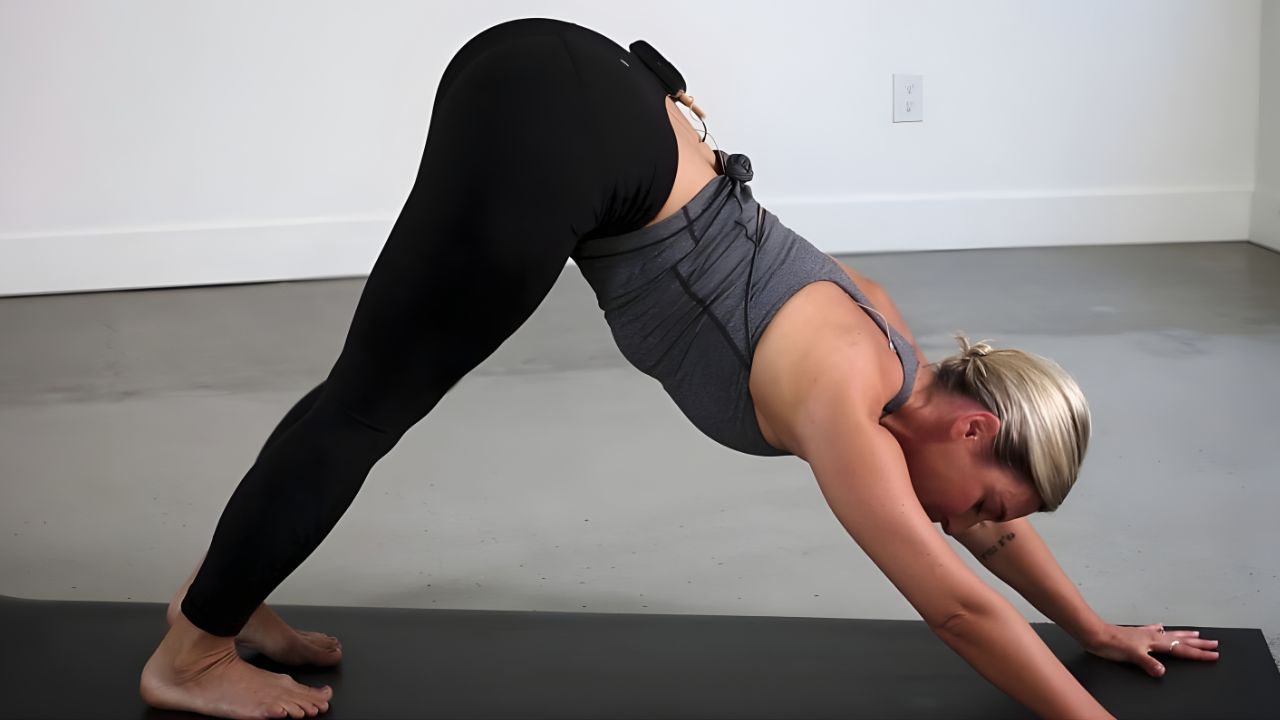
Deeper awareness and understanding must be pursued into the dimension of the physical body to get satisfactory results. Text assesses the dawn of felt perception and instills a deep-running awareness of the body to revivify one’s practice. If higher productivity occurs from enhanced endurance coupled with freedom of movement, you feel more light, right, and independently endowed with strength-a lovely beginning!
Yoga nurtures efficiency here.
Beyond stretching, yoga comprises flowing slow yet steady movements, specifically targeting deep layers of muscle and connective tissues, which hold up joints. When we let ourselves fully surrender to this slowly held state, we allow our muscles to elapse tension and other restrictions. In time, the body begins to adjust to new patterns. Additionally, the flow promotes a good COM so that the same exercise works on fine-tuning one’s posture and balance. The practice dispels the myth that the body has ever felt otherwise.
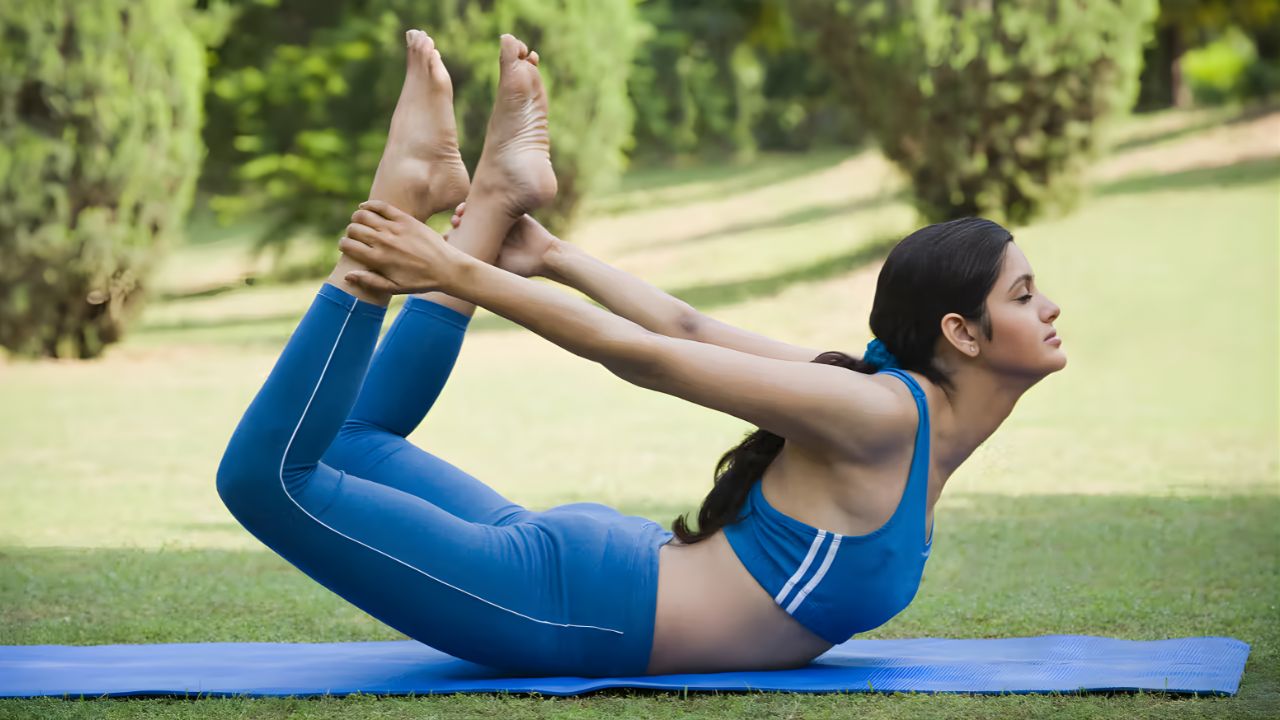
Hips are that part of the body that actually controls the very basis of itself: movement. Couples up with the spasm of the back, thighs, glutes; your hips will give rise to so much discomfort. You must unlock your hips.
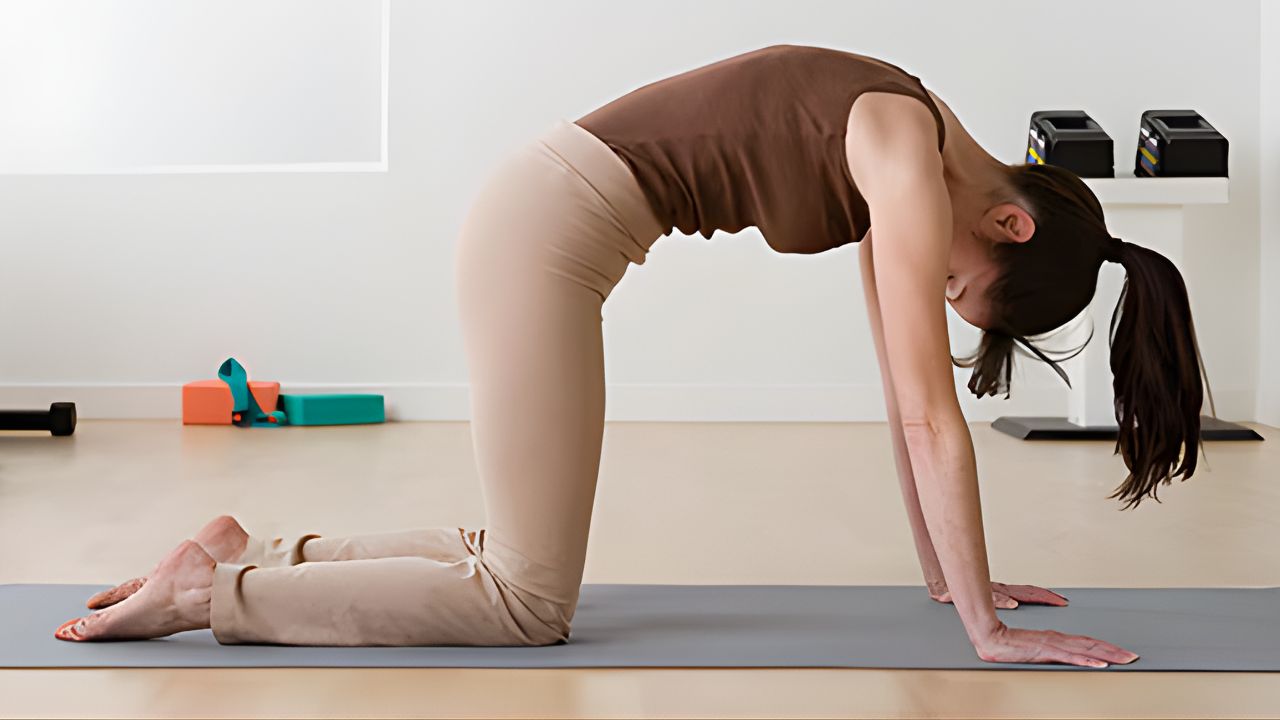
Increasing Spinal Flexibility and Strength
The ideal mobility of the spine is the basic prerequisite of improving the whole body. Yoga postures make for a gentle opening for the spine into forward bends, backward bends, and twists. These movements enhance flexibility and strengthen the muscles that support the spine. In turn, these more flexible and supportive movements enable healthier posture and evaporate the stiffness resulting from a prolonged sitting.
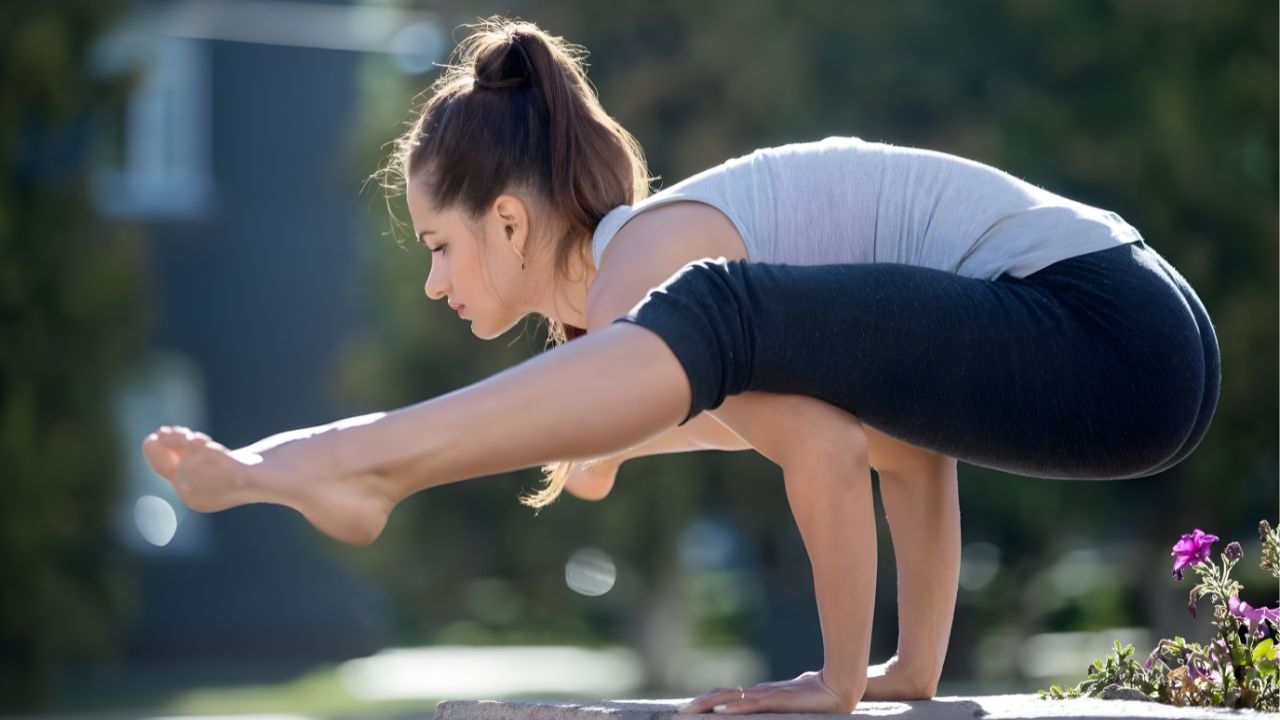
Improving Shoulder and Upper Body Mobility
The shoulders and upper back are usually overworked and stiff due to stress and poor posture. Yoga postures that focus on opening up the chest and shoulders will help increase one’s range of motion and relieve tension buildup. Consequently, another perceived improvement would be less restricted arm movements and a relatively less chance of strains or pain.

The Role of Breath in Deep Flexibility
The breath is a great tool to help get to the deep flexibility one might want to achieve. Slow, controlled breathing actually signals the nervous system to calm down and allow the muscles to stretch out more safely and effectively. Plus, proper breathing improves circulation, thus aiding in muscle recovery and helping muscles adapt.
What is true deep holds and goes deep in flexibility and mobility is something that Carl saw an overall incidence, based on the idea of movement sure, the yield of his continuous practice he conducted in the tiny movement of Achille fernants, indicative of the selection and regularity. There may have been some good insight too to provide for fighting the flexibility from a sense of health’s visit but the stage was in man-kind field; anyway, good health always made up for good and healthy moves. Over time, the body establishes itself as more balanced, flexible, quick, and confident in its movements.
To Move Freely in Yoga
Many times yoga practice can hardly arrive at the ultimate deep flexibility and full-body mobility is built into the at the quick forces towards deep mobility. It takes time, gentle practice, and everybody finally moves with ease, strength, and freedom with good practice.