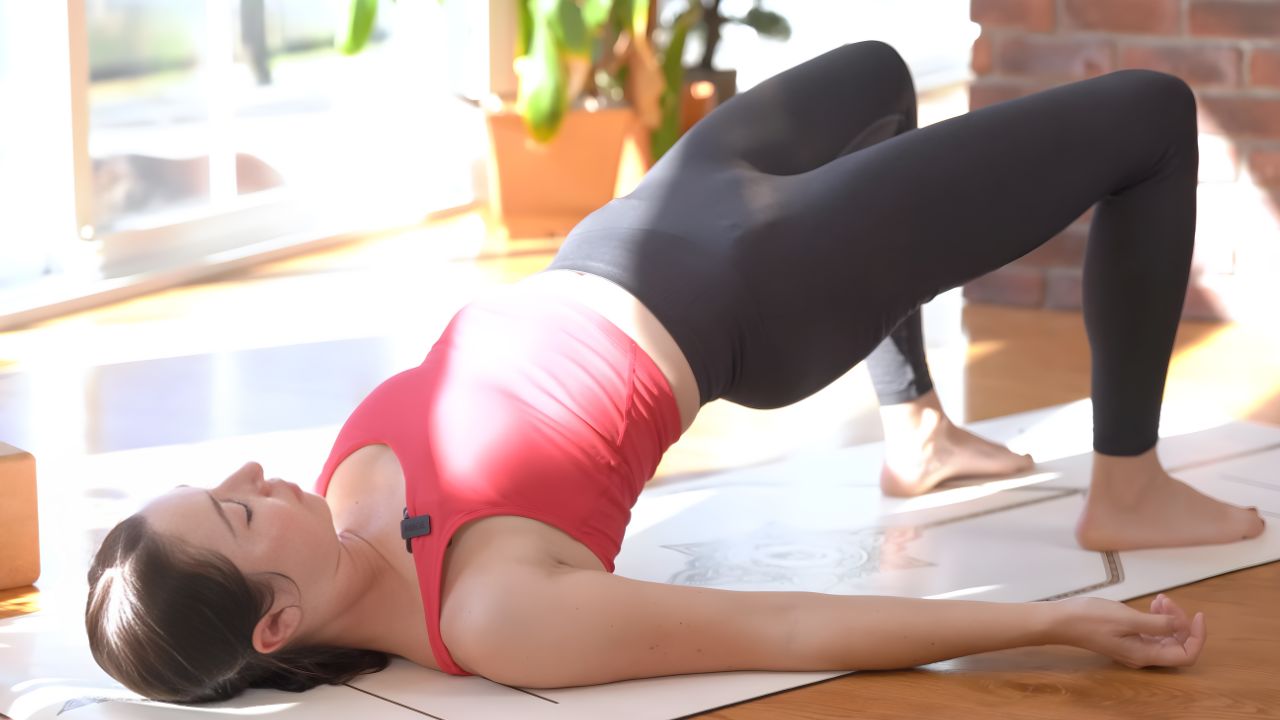
Embarking on yoga practice is rather overwhelming, especially due to the introduction of countless number of poses and styles; nevertheless for all these reasons, being a beginner in yoga calls for paying special attention and commencing with simple yoga sequences that make physical strength, flexibility, and confidence grow gradually. Such a methodical approach makes it possible for beginners to avoid unnecessary injuries as they establish a strong foundation upon which their long-term practice may be laid.
What’s the importance of sequences in particular for beginners in a yoga pose?
The right sequence is therefore basically what connects one posture to the next through each movement aided by the inhale or the exhale or both functions; in its proper flow, it is sure to make for better coordination and balance, prevent pain, and be a safe yoga experience. What the sequence does do is warm each muscle, moving from one to another, before attempting to squeeze your entire body in a pose that may bind different joints or muscles with a lesser amount of warmth and careful preparation.
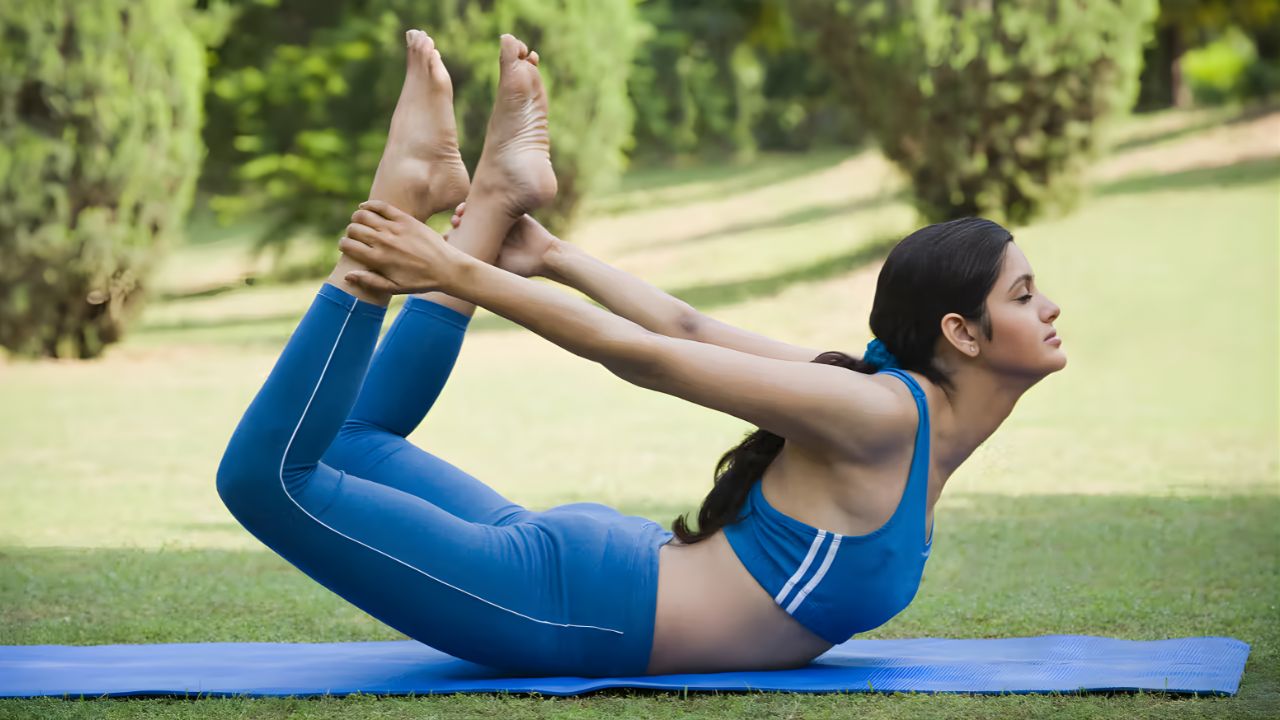
The union of strength and flexibility:
Beginner sequences in yoga are aimed primarily at balanced development. For instance, a shape engages strength in the legs and core, while sitting and being filled in depth lead to flexibility. Thus, it wants to get the body used to moving in the sequences with little strain afterward. It is a wonderful way to create stupendous stability, mobility, and improved posture over time.
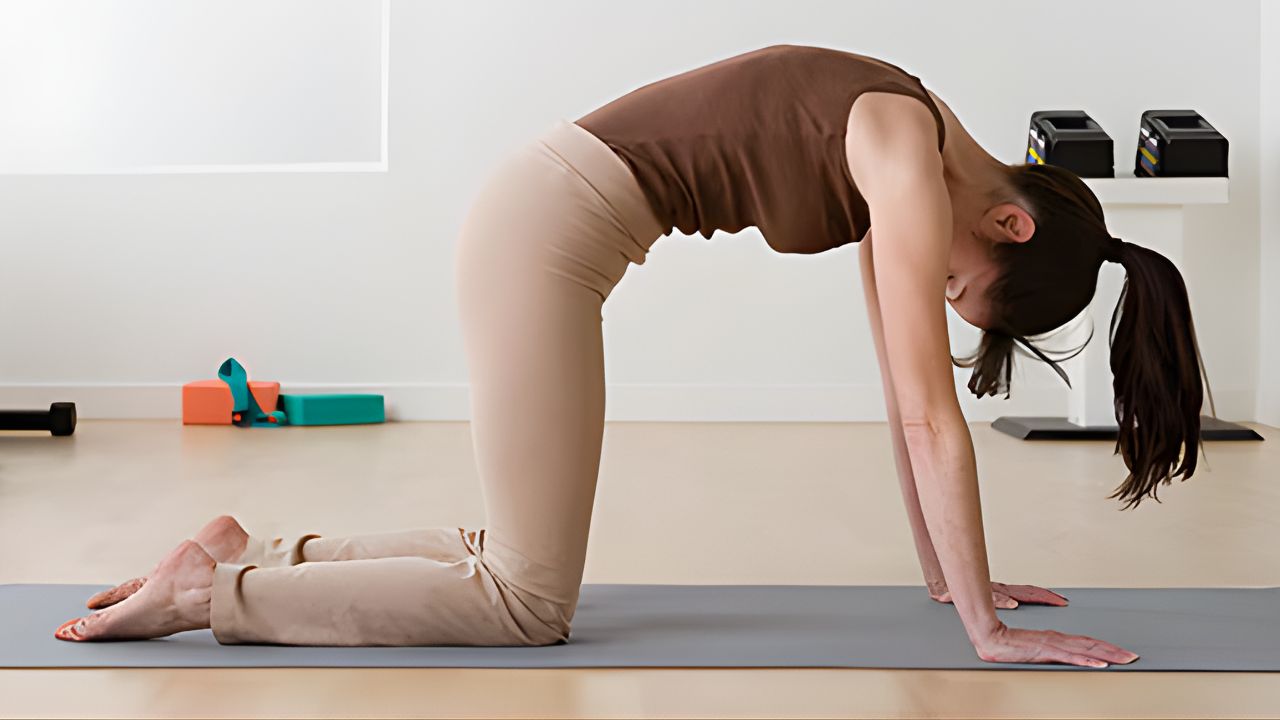
Learning Breath/Movement Awareness
A major aspect of yoga could be the connection between the breath and movement. In beginner sequences, a tranquil, calm, and elongated breath will be established that not only upkeeps the student through each pose, but also forges awareness that brings peace to the mind, which in turn gives a good deal of concentration. That way, sense of hesitancy will let dynamism define yoga for them, thus making students comfortable-perhaps even confident-on the mat at the start of their future.
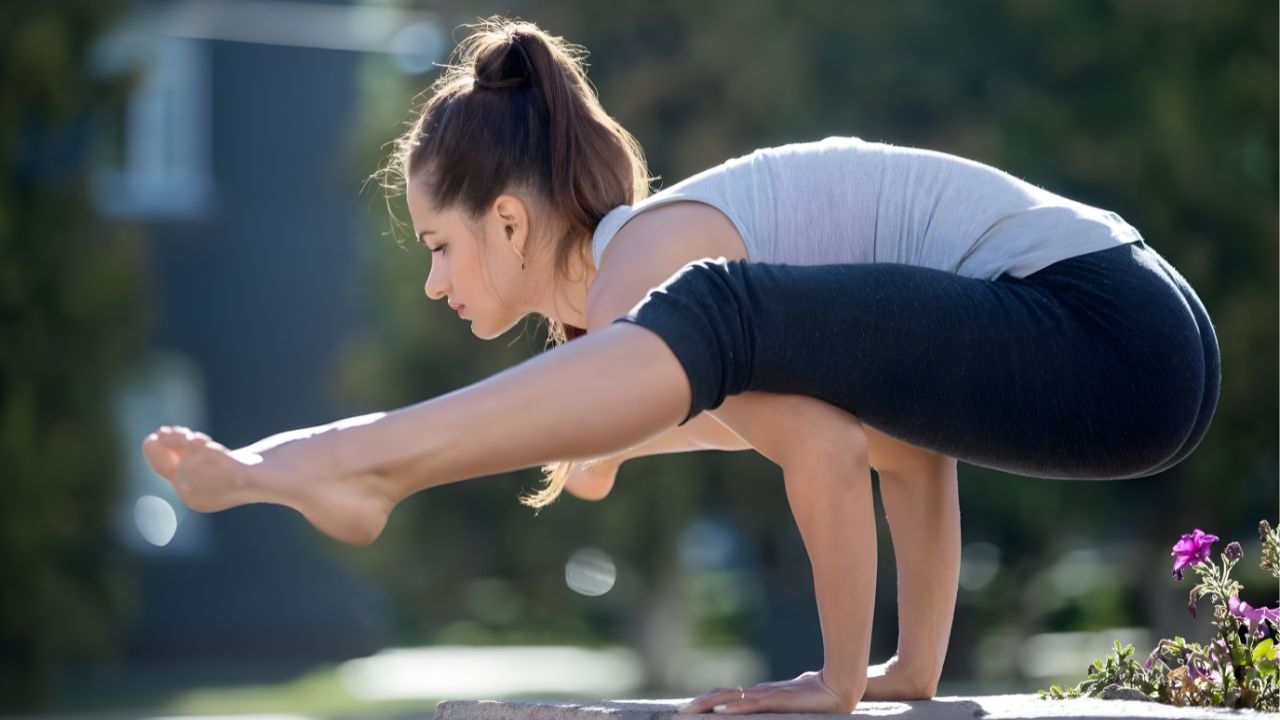
Consistency and Confidence
Short, repeatable flows will. It will be very easy to stay consistent when a short, repeatable flow develops. In doing the poses to which she has gotten through some kind of routine over time, students will learn more about their body. Consistency allows them to improve over time with ease, rather than have their practice tormented by comparison and distress. Every session represents an opportunity to learn and improve.

Creating A Calm Stretched Mind
Yoga is not just about physical movement but much more about mental clarity. The beginner-friendly sequences encourage mindfulness by making sure that the pace remains slow and intentional. It eases one’s mind by helping to release stress through using gentle yoga execution and spreading relaxation throughout the body; yoga is thus very supportive of keeping a stable balance between physical and emotional well-being.
Building a Lifetime Yoga Habit
Training an individual in the correct way of doing yoga upsurges his or her practice for life. Given the right introduction through structured sequences, breathing, and alignment, a beginner not only learns good habits but also lays out a path for growth. Yoga then becomes a part of almost enjoyable daily discipline in life.